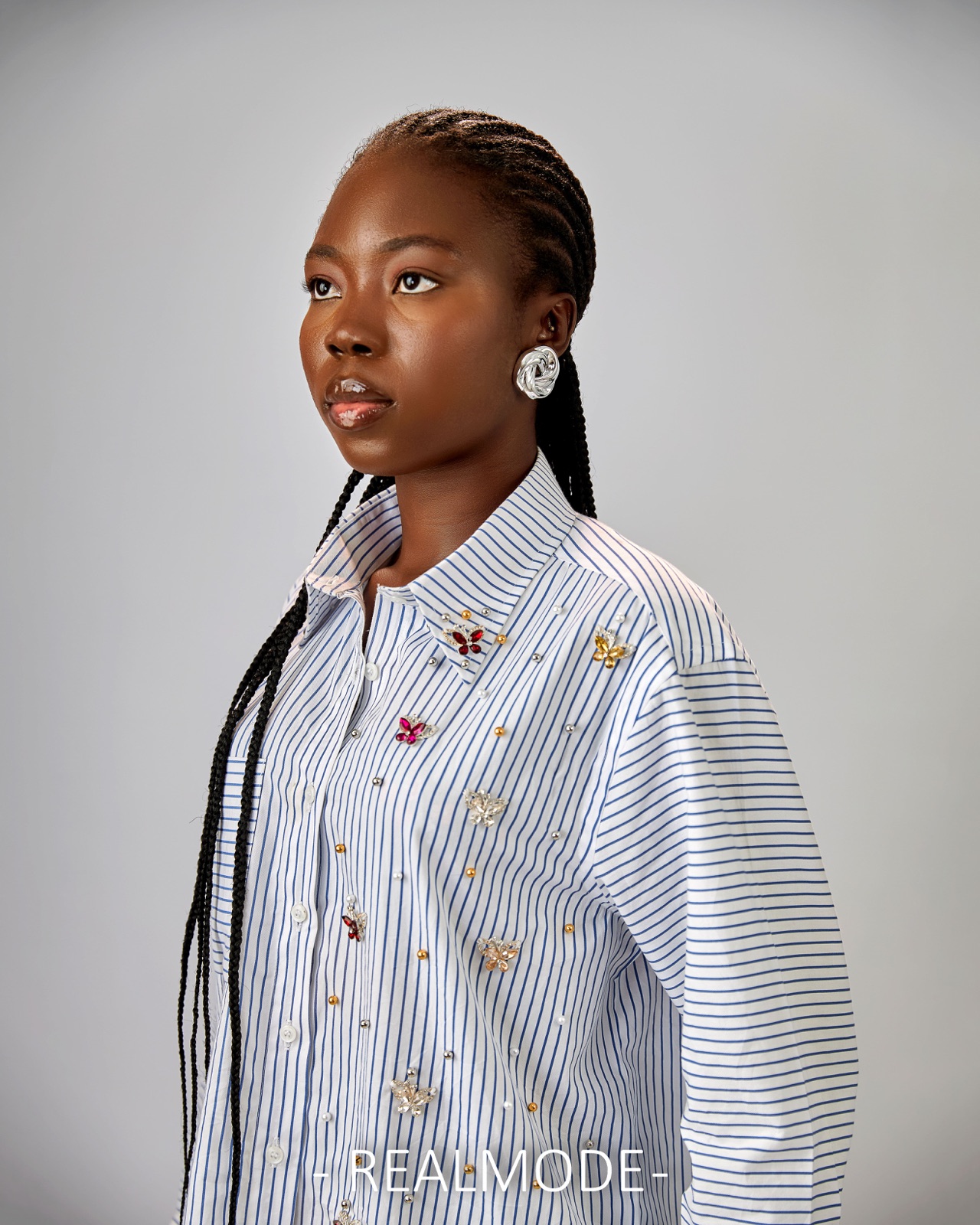
Best Fabrics for Nigerian Weather: Why Linen Wins in Lagos Humidity
Why linen and airy natural cloths outperform everything else in Nigerian humidity — how to spot quality, what the wrinkles mean, and how to care for it.
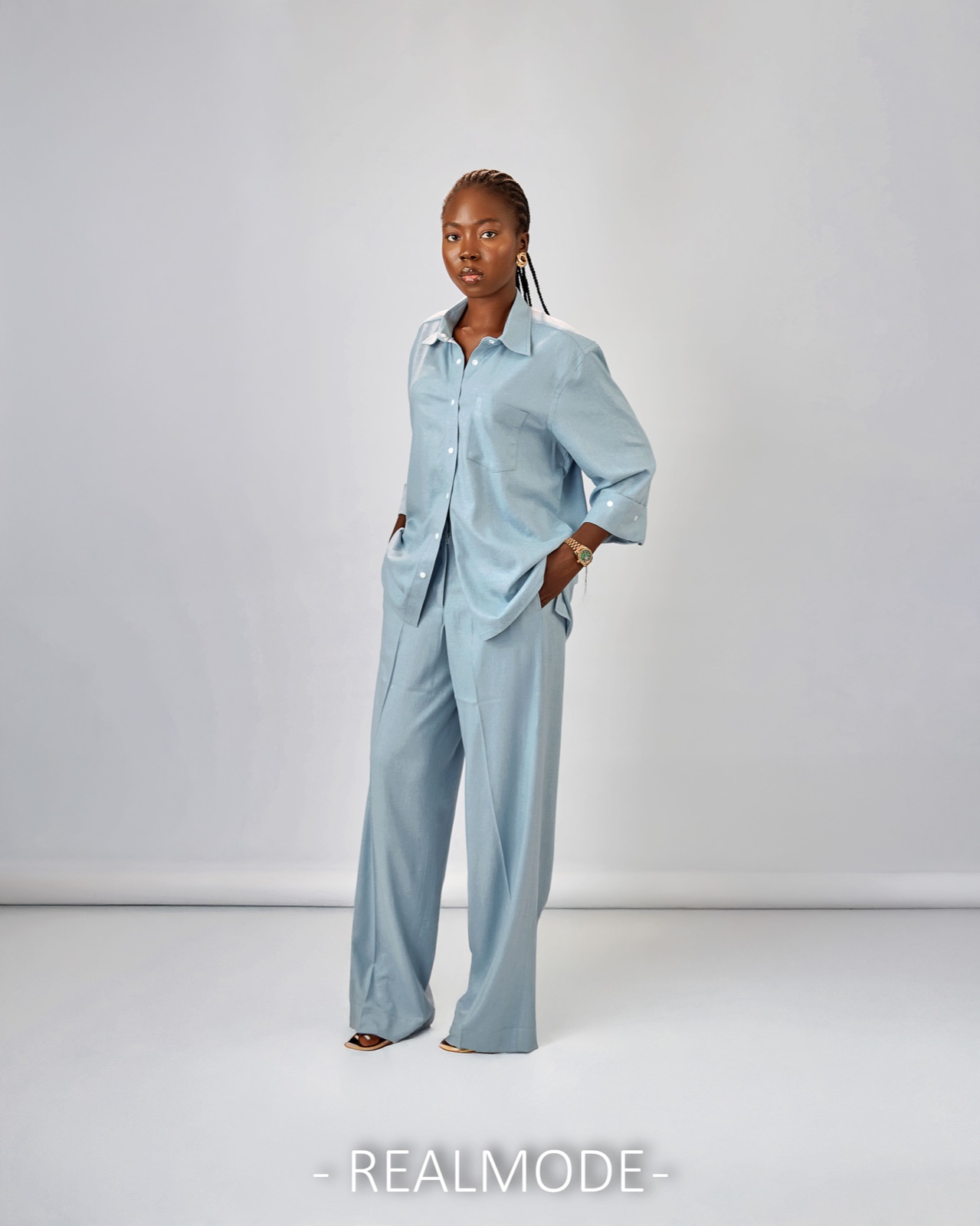
There's a reason linen shows up in every hot-climate wardrobe tradition on earth: no fabric moves heat away from the body faster. In Lagos humidity, that's not a luxury — it's the whole game.
Why linen works when cotton struggles
Linen fibres are hollow and stiff. They hold the cloth slightly off your skin, wick moisture fast, and dry faster than cotton — so the shirt doesn't cling by 11am. The slight stiffness is also why linen drapes with that structured, unhurried look.
The wrinkles are the point
Linen creases. That's the signature of the fibre, not a defect — a linen set that stays glass-smooth all day is usually blended with polyester, which defeats the breathability you paid for. Wear the creases; they read as confidence.
What to look for when buying
Weight and weave. A good warm-weather linen or linen-blend sits between airy and opaque — hold it to the light: you want glow, not transparency. Check that seams are flat-finished so the fabric moves as one piece. Every piece in our Linen Collection — like the Seafoam Pinstripe Co-ord — is finished that way by hand in Isolo.
Care, briefly
Cold or lukewarm wash, gentle cycle or hand-wash, hang to dry in shade, iron while slightly damp if you want it crisp. Skip the tumble dryer. Full care guidance ships with every order, and the essentials are in our FAQ.
Start with one piece you'll wear weekly — a set or a shirt — from the Linen Collection. In this climate it will out-earn everything else in your wardrobe.